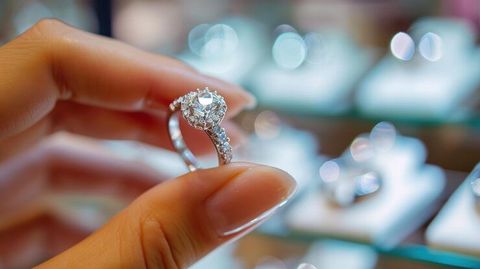
Diamond Ring Insights to Help You Choose the Right Design
Choosing a diamond ring involves more than finding a stone that catches the eye.
The diamond's shape, setting, metal, and overall proportions all influence how the ring looks and feels when worn. Understanding these details can help you find a design that suits your personal style and everyday needs.
Diamond rings are available in a wide range of traditional, contemporary, and customized designs. Some emphasize the brilliance of a single diamond, while others use multiple stones or distinctive settings to create a different visual effect. Each design has practical considerations that extend beyond appearance.
Understanding diamond ring designs makes it easier to compare options and recognize which features matter most. From diamond cuts and setting styles to metal choices, craftsmanship, and maintenance, a few essential insights can help you make a more informed decision.
How Diamond Shape Influences Ring Design
The diamond's shape is one of the first details people notice. It affects the ring's overall appearance, the way light interacts with the stone, and how the diamond complements the surrounding setting.
Round brilliant diamonds are popular for their balanced appearance and light performance. Their faceting pattern is designed to maximize brilliance, making them suitable for classic solitaire rings and more elaborate settings.
Oval diamonds create an elongated appearance that can make the center stone look prominent across the finger. Princess-cut diamonds offer a geometric, contemporary look, while emerald-cut diamonds emphasize long, step-like facets and broad flashes of light rather than the intense sparkle associated with brilliant cuts.
Pear, marquise, and cushion shapes provide additional design possibilities. Pear-shaped diamonds combine a rounded end with a pointed tip, marquise diamonds have elongated pointed ends, and cushion diamonds feature softened corners with a square or rectangular outline.
The right shape depends on personal preference, finger proportions, setting compatibility, and the visual effect you want. A diamond's shape and its cut quality are related but distinct considerations.
Understanding Diamond Quality Before Choosing a Ring
A diamond's appearance depends on several characteristics. The widely used Four Cs framework helps buyers evaluate these differences: cut, color, clarity, and carat weight.
Cut influences how effectively a diamond reflects light. For round brilliant diamonds, cut quality can significantly affect brightness, fire, and scintillation. Fancy shapes, such as oval and emerald cuts, require shape-specific evaluation because their proportions and faceting patterns differ.
Color describes how colorless a diamond appears within the grading scale commonly used for white diamonds. Differences may be subtle, and their visibility can depend on the diamond's shape, size, and setting.
Clarity refers to internal characteristics called inclusions and surface characteristics called blemishes. A higher clarity grade does not automatically mean a diamond will look noticeably better to the unaided eye. The location and visibility of these characteristics also matter.
Carat weight measures a diamond's weight, not its physical dimensions or visual quality. Two diamonds with the same carat weight can appear different in size because their shapes, proportions, and cutting styles vary.
When comparing diamonds, consider all four characteristics together rather than focusing exclusively on carat weight. Independent grading reports from established gemological laboratories can help verify a diamond's documented characteristics.
Which Diamond Ring Setting Suits Your Needs?
The setting determines how the diamond is held in place and contributes to the ring's appearance, comfort, and maintenance requirements.
Solitaire and Halo Settings
A solitaire setting features one central diamond, making the stone the main visual focus. Its simple design works well for people who prefer a classic appearance and want the diamond to remain prominent without additional stones competing for attention.
A halo setting surrounds the center diamond with smaller stones. This creates additional sparkle and can make the center appear more visually substantial. However, halo settings contain more small stones and additional structural details that may require careful cleaning and periodic inspection.
Prong, Bezel, and Pavé Settings
Prong settings use small metal claws to hold the diamond. They allow substantial light exposure and can create an open, traditional appearance. The prongs should be checked periodically because wear or damage can compromise the stone's security.
Bezel settings surround the diamond's perimeter with a metal rim. This can offer additional protection around the stone's edges and create a clean, contemporary look, although the amount of visible metal changes the design.
Pavé settings feature small diamonds set closely together along part of the band. They create a continuous sparkling effect, but the numerous small stones require secure settings and appropriate maintenance.
The best setting depends on lifestyle as well as aesthetics. Someone who works frequently with their hands may prefer a design with fewer exposed edges, while someone prioritizing maximum visual prominence may favor a different setting.
Choosing the Right Metal for a Diamond Ring
The metal influences a ring's color, durability, maintenance, and overall style. Platinum, yellow gold, white gold, and rose gold are common choices, each offering a different appearance.
Platinum has a naturally white appearance and is valued for its durability. It can develop a surface patina through wear, which some people appreciate as part of its character. Its density also makes it feel different from lighter metals.
Yellow gold provides a warm, traditional appearance and complements a variety of diamond shapes. White gold offers a bright, silvery look, but many white gold rings use rhodium plating that may require renewal as the finish wears.
Rose gold has a pinkish tone created by its metal composition, including copper. Its distinctive color can create contrast with a diamond while providing a contemporary or vintage-inspired appearance.
Metal selection should account for appearance, allergies or metal sensitivities, maintenance preferences, and compatibility with the wearer's other jewelry. The alloy composition matters, particularly for people with known sensitivities.
Natural and Lab-Grown Diamonds
Natural and lab-grown diamonds share the same fundamental chemical composition and crystal structure. Both can display the optical properties associated with diamond, although their origins differ.
Natural diamonds form through geological processes over long periods. Lab-grown diamonds are produced using controlled processes, commonly high-pressure, high-temperature growth or chemical vapor deposition.
The choice between them often depends on personal preferences, budget, origin considerations, and the importance attached to geological formation. Neither category automatically guarantees superior appearance or craftsmanship.
Compare individual stones using reliable grading information, cut quality, dimensions, and the characteristics that matter to you. If origin or sourcing is important, review the seller's documentation and any relevant disclosure carefully.
How to Evaluate Diamond Ring Designs Before Choosing
A ring that looks attractive in a photograph may feel different when worn. Viewing the design from multiple angles can reveal the diamond's height, band thickness, setting details, and how the ring sits against the finger.
Consider these practical factors when comparing designs:
- Comfort: Check the band's shape, weight, edges, and fit for everyday wear.
- Security: Examine the prongs, bezel, or other setting structure that holds the diamond.
- Maintenance: Consider how easily the design can be cleaned and inspected.
- Proportions: Evaluate how the center stone, band width, and surrounding details work together.
- Documentation: Review diamond grading reports and the seller's written description of the ring.
- Resizing and repairs: Ask whether the design allows adjustments and how the setting may affect future maintenance.
Craftsmanship deserves attention alongside the diamond itself. A well-matched stone and setting should look balanced, hold the diamond securely, and suit the intended use.
Frequently Asked Questions
Which diamond shape is suitable for everyday wear?
Round, oval, and other shapes can work well for everyday rings when paired with an appropriate setting. The diamond's exposure, setting height, and protection around pointed edges are often more important than shape alone.
Does a larger diamond always look better?
No. Visual impact depends on shape, proportions, setting, and finger size as well as carat weight. A well-proportioned diamond can look attractive without having the greatest weight.
Are lab-grown diamonds real diamonds?
Yes. Lab-grown diamonds have essentially the same chemical composition and crystal structure as natural diamonds. Their origin differs, so buyers should review accurate origin disclosures and grading information.
What should be checked in a diamond grading report?
Check the reported carat weight, measurements, shape, color, clarity, and any available cut assessment. Confirm that the report corresponds to the specific diamond being considered.
Conclusion
Choosing a diamond ring becomes easier when design, diamond quality, setting, metal, and practical needs are considered together. Each element affects the ring's appearance, comfort, durability, and maintenance.
Rather than focusing on a single feature, compare the complete design and verify the diamond's documented characteristics. A thoughtful choice balances personal style with craftsmanship and suitability for the way the ring will be worn.

Related Post...